 The reliability of the system has also been significantly enhanced due to PWM control. The frequent start and stop of traditional pumps cause the motor winding temperature to rise by 60K, while PWM soft start reduces the current impact by 70% and extends the bearing life by three times. The water supply network of a certain water company adopts PWM booster pumps. The start-stop cycle has been reduced from 1,200 times per day to 200 times per day, the equipment failure rate has dropped by 55%, and the maintenance cost has been saved by 28%. In high-temperature environments (> 80℃), PWM pumps achieve an MTBF (Mean Time Between Failures) of over 60,000 hours through dynamic heat dissipation (such as oil-cooled motors), which is 2.2 times higher than that of constant-speed pumps.
Market data confirm its economic viability. Although the procurement cost of PWM pumps is 25% to 40% higher than that of ordinary pumps, their intelligent speed regulation function can increase the overall system efficiency by 35%, and the payback period is only 14 months. A case of cooling system renovation in a semiconductor factory shows that after deploying 8 PWM magnetic pumps (with a power of 7.5kW), the annual power consumption dropped from 980,000 kilowatt-hours to 540,000 kilowatt-hours, electricity costs were saved by 42,000 US dollars, CO₂ emissions were reduced by 310 tons, and through predictive maintenance, unexpected downtime was reduced by 90%.
These examples highlight the comprehensive value of PWM technology in terms of energy conservation and consumption reduction, precise control, and extended lifespan and efficiency, and are promoting its accelerated penetration in fields such as automotive manufacturing, biomedicine, and fine chemicals. Research firm Frost & Sullivan predicts that the global smart pump market will exceed 30 billion US dollars by 2028, with the penetration rate of PWM technology reaching 65%, becoming the core driving force for industrial upgrading.
The reliability of the system has also been significantly enhanced due to PWM control. The frequent start and stop of traditional pumps cause the motor winding temperature to rise by 60K, while PWM soft start reduces the current impact by 70% and extends the bearing life by three times. The water supply network of a certain water company adopts PWM booster pumps. The start-stop cycle has been reduced from 1,200 times per day to 200 times per day, the equipment failure rate has dropped by 55%, and the maintenance cost has been saved by 28%. In high-temperature environments (> 80℃), PWM pumps achieve an MTBF (Mean Time Between Failures) of over 60,000 hours through dynamic heat dissipation (such as oil-cooled motors), which is 2.2 times higher than that of constant-speed pumps.
Market data confirm its economic viability. Although the procurement cost of PWM pumps is 25% to 40% higher than that of ordinary pumps, their intelligent speed regulation function can increase the overall system efficiency by 35%, and the payback period is only 14 months. A case of cooling system renovation in a semiconductor factory shows that after deploying 8 PWM magnetic pumps (with a power of 7.5kW), the annual power consumption dropped from 980,000 kilowatt-hours to 540,000 kilowatt-hours, electricity costs were saved by 42,000 US dollars, CO₂ emissions were reduced by 310 tons, and through predictive maintenance, unexpected downtime was reduced by 90%.
These examples highlight the comprehensive value of PWM technology in terms of energy conservation and consumption reduction, precise control, and extended lifespan and efficiency, and are promoting its accelerated penetration in fields such as automotive manufacturing, biomedicine, and fine chemicals. Research firm Frost & Sullivan predicts that the global smart pump market will exceed 30 billion US dollars by 2028, with the penetration rate of PWM technology reaching 65%, becoming the core driving force for industrial upgrading.
What are advantages of PWM-controlled pumps?
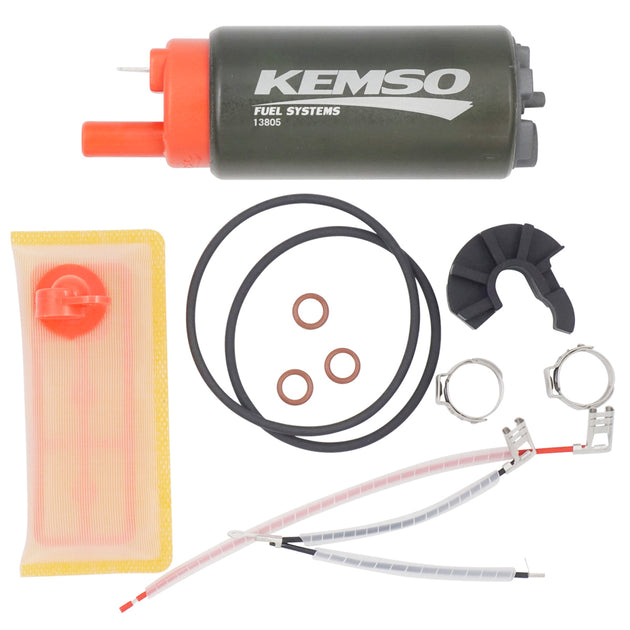
In industrial fluid systems, pumps controlled by PWM (Pulse Width Modulation) have achieved remarkable breakthroughs due to their precise regulation capabilities. Take automotive Fuel pumps as an example. Traditional mechanical pumps consume as much as 120W at idle speed, while PWM-controlled electronic fuel pumps (such as Bosch high-pressure Fuel Pump) can reduce no-load power consumption to below 15W by adjusting the duty cycle (30%-90%), achieving an energy-saving rate of over 85%. Industrial tests show that after a certain vehicle manufacturer switched to PWM pumps, each vehicle saved an average of 42kWh of electricity per year. Calculated based on an annual production of 500,000 vehicles, the annual energy cost savings exceeded 2.1 million US dollars.
The accuracy of flow control is an even more crucial advantage. PWM technology can adjust the motor speed with a response speed of 0.1 seconds, keeping the flow fluctuation within ±2%. For instance, after the medical dialysis machine adopted the PWM peristaltic pump, the error of drug liquid delivery was reduced from ±8% to ±1.5%, meeting the strict requirements of ISO 7864 standard for infusion accuracy. The chemical additive dosing system in the manufacturing industry achieves a micro-flow control of 0.01mL/min through PWM pumps, reducing raw material waste by 37% and saving an annual cost of up to 120,000 US dollars.
The reliability of the system has also been significantly enhanced due to PWM control. The frequent start and stop of traditional pumps cause the motor winding temperature to rise by 60K, while PWM soft start reduces the current impact by 70% and extends the bearing life by three times. The water supply network of a certain water company adopts PWM booster pumps. The start-stop cycle has been reduced from 1,200 times per day to 200 times per day, the equipment failure rate has dropped by 55%, and the maintenance cost has been saved by 28%. In high-temperature environments (> 80℃), PWM pumps achieve an MTBF (Mean Time Between Failures) of over 60,000 hours through dynamic heat dissipation (such as oil-cooled motors), which is 2.2 times higher than that of constant-speed pumps.
Market data confirm its economic viability. Although the procurement cost of PWM pumps is 25% to 40% higher than that of ordinary pumps, their intelligent speed regulation function can increase the overall system efficiency by 35%, and the payback period is only 14 months. A case of cooling system renovation in a semiconductor factory shows that after deploying 8 PWM magnetic pumps (with a power of 7.5kW), the annual power consumption dropped from 980,000 kilowatt-hours to 540,000 kilowatt-hours, electricity costs were saved by 42,000 US dollars, CO₂ emissions were reduced by 310 tons, and through predictive maintenance, unexpected downtime was reduced by 90%.
These examples highlight the comprehensive value of PWM technology in terms of energy conservation and consumption reduction, precise control, and extended lifespan and efficiency, and are promoting its accelerated penetration in fields such as automotive manufacturing, biomedicine, and fine chemicals. Research firm Frost & Sullivan predicts that the global smart pump market will exceed 30 billion US dollars by 2028, with the penetration rate of PWM technology reaching 65%, becoming the core driving force for industrial upgrading.
The reliability of the system has also been significantly enhanced due to PWM control. The frequent start and stop of traditional pumps cause the motor winding temperature to rise by 60K, while PWM soft start reduces the current impact by 70% and extends the bearing life by three times. The water supply network of a certain water company adopts PWM booster pumps. The start-stop cycle has been reduced from 1,200 times per day to 200 times per day, the equipment failure rate has dropped by 55%, and the maintenance cost has been saved by 28%. In high-temperature environments (> 80℃), PWM pumps achieve an MTBF (Mean Time Between Failures) of over 60,000 hours through dynamic heat dissipation (such as oil-cooled motors), which is 2.2 times higher than that of constant-speed pumps.
Market data confirm its economic viability. Although the procurement cost of PWM pumps is 25% to 40% higher than that of ordinary pumps, their intelligent speed regulation function can increase the overall system efficiency by 35%, and the payback period is only 14 months. A case of cooling system renovation in a semiconductor factory shows that after deploying 8 PWM magnetic pumps (with a power of 7.5kW), the annual power consumption dropped from 980,000 kilowatt-hours to 540,000 kilowatt-hours, electricity costs were saved by 42,000 US dollars, CO₂ emissions were reduced by 310 tons, and through predictive maintenance, unexpected downtime was reduced by 90%.
These examples highlight the comprehensive value of PWM technology in terms of energy conservation and consumption reduction, precise control, and extended lifespan and efficiency, and are promoting its accelerated penetration in fields such as automotive manufacturing, biomedicine, and fine chemicals. Research firm Frost & Sullivan predicts that the global smart pump market will exceed 30 billion US dollars by 2028, with the penetration rate of PWM technology reaching 65%, becoming the core driving force for industrial upgrading.